An Easy Guide To Formal Wear For Indian Men
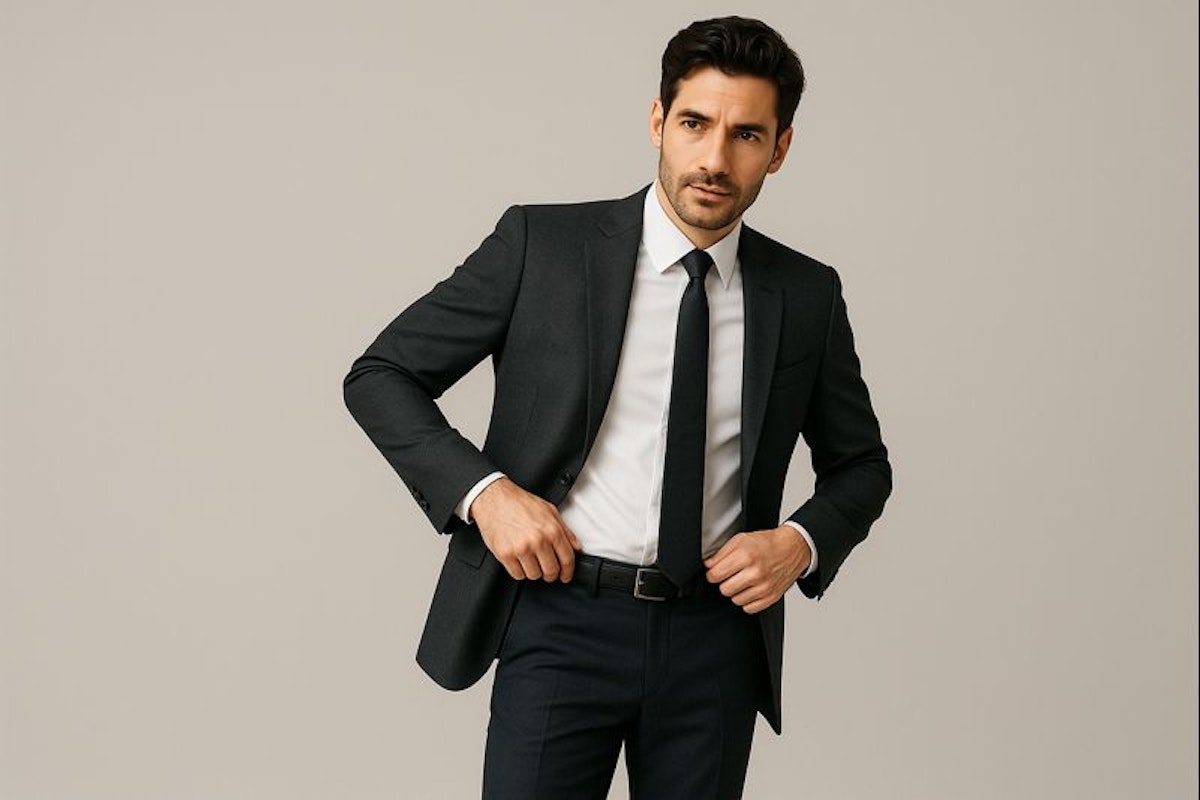
Formal wear has evolved significantly for Indian men, blending tradition, comfort, and global style standards. Whether you are dressing for office meetings, weddings, or formal evening events, understanding the basics of formal wear can elevate your appearance and confidence. This easy guide breaks down the essentials every Indian man should know to dress sharply without overcomplicating the process.
Understanding Formal Wear Basics
Modern formal wear goes beyond sharp tailoring and classic colors. The rise of innovative fabrics in menswear has redefined how formal clothing feels throughout the day, especially in Indian conditions. Advanced fabric blends now offer better airflow, flexibility, and durability while maintaining a crisp, professional appearance. These materials allow formal outfits to remain structured yet comfortable, making them suitable for long meetings, travel, and extended wear without looking tired or worn.

Choosing the Right Formal Shirt
A well-fitted formal shirt is the backbone of any formal outfit. Opt for solid colors such as white, light blue, or pastel shades for maximum versatility. The fabric should be breathable, especially for Indian weather conditions. Cotton and cotton blends are ideal as they offer comfort while maintaining a crisp appearance. Pay attention to collar style, sleeve length, and shoulder fit to ensure a tailored look.
Perfecting the Fit of Trousers
Formal trousers should sit comfortably at the waist and fall cleanly over the shoes. Avoid overly tight or excessively loose fits, as both can disrupt the formal aesthetic. Modern formal dressing favors slim or tailored cuts that enhance posture and silhouette. For men seeking both style and comfort, 4-way stretch pants for men at Mr Vastra are an excellent choice, offering ease of movement while maintaining a refined look throughout the day.
The Importance of Suits and Blazers
Suits and blazers instantly elevate formal attire. For office wear, a single-breasted suit in navy or charcoal is a timeless choice. Blazers can be paired with contrasting trousers for semi-formal settings or business casual environments. Ensure the blazer fits well across the shoulders and chest, with sleeves ending just above the wrist bone. Proper tailoring can transform even a basic suit into a sharp statement.
Footwear That Completes the Look
Formal shoes play a crucial role in defining your overall appearance. Classic options include oxfords, derbies, and loafers in black or brown leather. Shoes should always be clean, polished, and appropriate for the occasion. Matching your shoe color with your belt creates visual harmony and reflects attention to detail, a hallmark of well-dressed men.
Accessories That Add Refinement
Accessories should enhance, not overpower, your formal outfit. A sleek leather belt, a minimal wristwatch, and subtle cufflinks can add sophistication. Ties and pocket squares introduce personality through color and pattern, but should remain understated. Avoid overly flashy designs and focus on balance to maintain a professional impression.
Formal Wear for Indian Occasions
Indian formal events often require a blend of Western and traditional elements. Bandhni jackets, Nehru jackets, or tailored bandhgalas can be excellent alternatives to western suits for weddings and festive gatherings. Pair them with formal trousers or churidars in complementary tones. Fabrics like silk blends and fine wool add richness without appearing excessive.
Seasonal Formal Wear Tips
In India, climate plays a major role in formal dressing. During summers, choose lightweight fabrics like cotton, linen, and breathable blends to stay comfortable throughout long workdays. Light hues keep things looking fresh and help reflect heat. In the monsoon, focus on wrinkle-resistant materials and quick-drying trousers to manage humidity. For winter, wool blends and layered styling with blazers provide warmth without bulk. Always adjust footwear choices to seasonal conditions, ensuring grip and durability. Paying attention to seasons helps preserve comfort, fabric longevity, and overall polish, making your formal wardrobe practical year-round and consistently stylish.

Grooming and Presentation Matter
Even the best formal outfit can fall flat without proper grooming. Neatly styled hair, trimmed facial hair, and clean nails contribute significantly to a polished look. Ensure your clothes are well-pressed and free from lint or stains. Confidence, posture, and a composed demeanor complete the formal style equation.
Building a Versatile Formal Wardrobe
Building a strong formal wardrobe starts with selecting pieces that can adapt to multiple occasions. Investing in versatile clothing for men allows you to move easily between office meetings, formal events, and semi-formal gatherings without constantly changing outfits. Neutral trousers, classic shirts, and a well-fitted blazer can be styled in different combinations, reducing the need for excess purchases. This approach keeps dressing simple while ensuring you always look appropriate, confident, and well put together.
Conclusion
Formal wear for Indian men is about striking the right balance between elegance, comfort, and cultural relevance. By understanding fit, fabric, seasonality, and presentation, you can create outfits that suit any occasion effortlessly. Thoughtful choices in shirts, trousers, suits, and accessories, combined with proper grooming, make dressing formally simple and stylish. With a versatile wardrobe and attention to detail, Indian men can look confident, polished, and ready for any formal event.